
AI + Digital Marketing: The New Growth Strategy for Online Businesses in 2026
Growing an online business in 2026 requires more than simply increasing website traffic. Businesses need to attract the right audience, understand customer behaviour, create relevant experiences and convert interest into measurable results. Artificial intelligence is becoming an important part of this process. When combined with digital marketing, AI can help businesses analyse data, automate repetitive activities, personalise customer experiences and make faster marketing decisions. For companies focused on online business growth, the combination of AI and digital marketing can create a more connected approach to customer acquisition and retention. How AI Is Changing Digital Marketing Digital marketing involves multiple channels, including search engines, social media, email, paid advertising and content marketing. Managing these channels effectively can require significant amounts of data and ongoing optimisation. AI can support marketers by identifying patterns across this data and helping teams make informed decisions. Common applications include: The role of AI is not necessarily to replace marketing teams. Instead, it can help teams reduce repetitive work and spend more time on strategy, creative development and customer-focused decisions. Personalisation Can Improve Customer Experiences Customers interact with businesses through different digital touchpoints. A visitor may read a blog, browse products, interact with a social media post and later return through a paid advertisement. AI can analyse these interactions and help businesses create more relevant experiences. For example, an ecommerce business can use customer behaviour to recommend products based on browsing or purchase history. A B2B company can personalise content based on an organisation’s industry, interests or stage in the buying journey. Personalisation can also be applied to email campaigns, website content, advertising and remarketing. AI and SEO Are Becoming More Connected Search behaviour is also changing as users increasingly ask conversational and detailed questions. Businesses need to create content that addresses the intent behind these searches rather than relying only on individual keywords. AI can assist with analysing search queries, identifying content gaps and understanding common customer questions. However, businesses should still prioritise useful and original content. Publishing large volumes of automatically generated pages without adding meaningful information can create a poor experience for users. Strong SEO should combine technical optimisation, relevant content, clear information architecture and genuine expertise. Automation Can Improve Marketing Efficiency Many digital marketing activities involve repetitive processes. AI and automation can help reduce the manual effort involved in these tasks. For example, businesses can automate certain email sequences, lead qualification processes, reporting workflows and customer responses. Marketing teams can then spend more time reviewing performance, improving campaigns and developing new strategies. Automation should still be monitored carefully. Businesses need to ensure that automated communication remains accurate, relevant and consistent with their brand. Data-Driven Decision-Making One of the biggest advantages of combining AI with digital marketing is the ability to work with large amounts of data. Businesses can analyse information from websites, advertising platforms, CRM systems, social media and customer interactions to understand what is contributing to conversions. Instead of focusing only on metrics such as impressions or clicks, businesses can evaluate: This provides a clearer picture of whether marketing activities are contributing to actual business growth. AI Can Support Lead Generation AI can also help businesses identify and prioritise potential customers. Lead scoring systems can analyse actions such as website visits, content downloads, form submissions and previous interactions to identify stronger buying signals. AI-powered chatbots can answer common questions and collect information from website visitors, while automated follow-ups can help maintain communication with prospects. The sales team can then focus more attention on leads that show stronger intent. Building a Sustainable Growth Strategy Although AI can improve marketing efficiency, technology alone cannot create sustainable growth. Businesses still need a clear value proposition, strong products or services and an understanding of their target customers. A practical strategy can combine: The Future of Online Business Growth AI is changing how businesses plan, execute and measure digital marketing. From personalisation and automation to search optimisation and predictive analysis, businesses have more opportunities to make marketing decisions based on customer data. However, successful digital marketing still depends on understanding people, not just technology. Businesses that combine AI capabilities with useful content, strong customer experiences and clear business objectives can build a more adaptable marketing strategy for 2026. The future of online business growth will increasingly involve using AI to improve efficiency while keeping human creativity, strategic thinking and customer understanding at the centre of marketing decisions.
Social Media Marketing Trends 2026: AI, Creator Content, Social Search & Community-Led Growth
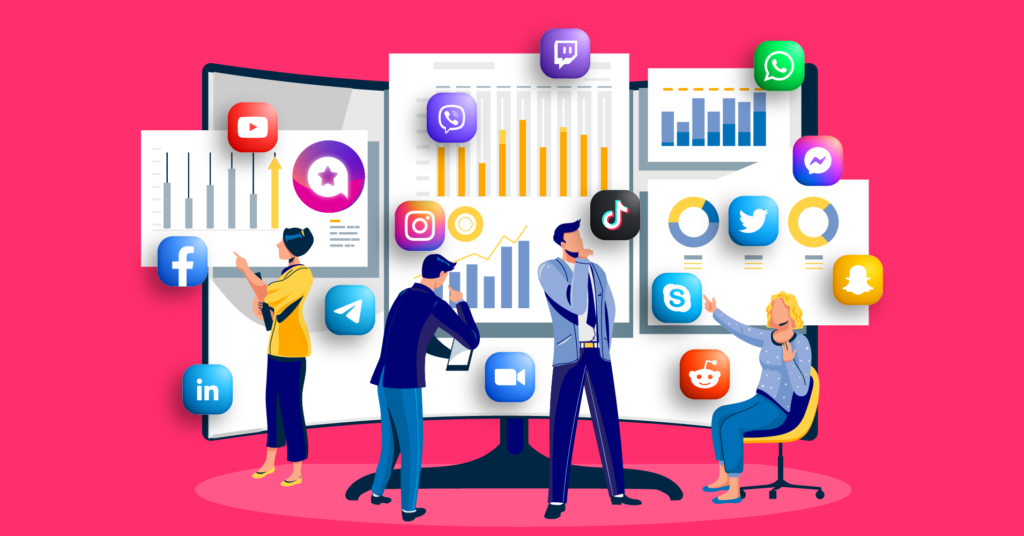
Social media continues to change how businesses communicate with customers, build awareness and generate demand. In 2026, brands are moving beyond simply publishing posts and measuring likes. Artificial intelligence, creator partnerships, social search and online communities are becoming important parts of modern social media strategies. For businesses, the focus is shifting towards creating useful content, building stronger relationships with audiences and making social platforms an active part of the customer journey. AI Is Changing Social Media Marketing Artificial intelligence is becoming part of everyday social media workflows. Marketing teams can use AI to support content ideation, audience analysis, creative development, caption writing, campaign optimisation and performance analysis. AI can also help identify patterns in audience behaviour. For example, marketers can analyse which topics generate stronger engagement, what formats perform consistently and when audiences are most active. However, AI-generated content still needs human input. Brand voice, creativity, originality and cultural context remain important when creating content that audiences want to engage with. A social media marketing company can use AI as part of its workflow while keeping strategy, creative direction and brand communication under human oversight. Creator Content Is Becoming More Important Consumers increasingly interact with individual creators alongside traditional brand accounts. Creator-led content can provide a more personal way for businesses to communicate products, services and experiences. In 2026, brands are not limited to working with large influencers. Micro and niche creators can also be valuable when their audience closely matches a business’s target market. Creator content can include: The focus should be on audience relevance and content quality rather than follower count alone. Social Search Is Changing Content Discovery Social platforms are increasingly being used as search tools. People may look on Instagram, YouTube, TikTok, Reddit or other platforms for recommendations, reviews, tutorials and answers before making a decision. This means businesses need to think about how their social content can be found through relevant searches. Captions, video titles, on-screen text, descriptions and hashtags can all provide context about the content. For example, a restaurant could create content around questions such as “best dishes for a first visit” or “what to order for a family dinner.” A digital marketing brand could create videos answering common questions about SEO, paid advertising or social media campaigns. Creating content around genuine search intent can make social profiles more useful to people who are actively looking for information. Short-Form Video Remains a Key Content Format Short-form video continues to be an important format for capturing attention. Instagram Reels, YouTube Shorts and similar formats allow businesses to communicate information quickly. However, businesses should avoid creating videos simply because short-form content is popular. Each video should have a clear purpose. Depending on the brand, short videos can be used for: Strong hooks, clear messaging and useful information can help make short-form content more effective. Community-Led Growth Is Gaining Attention Social media is increasingly moving towards conversations rather than one-way brand communication. Businesses are investing more effort in building communities around shared interests, customer needs and industry topics. Community-led strategies can include responding to comments, encouraging discussions, creating interactive content, hosting live sessions and maintaining conversations with existing customers. A strong community can also provide valuable feedback about products, services and customer expectations. Rather than focusing only on follower growth, businesses can monitor meaningful signals such as conversations, returning audiences, direct enquiries, shares and customer participation. Social Media and the Customer Journey Social media can influence several stages of the customer journey. A potential customer may first encounter a brand through a video, visit its profile, read comments, check reviews and eventually visit the website or contact the business. This makes consistency important across social profiles and other digital channels. Businesses should ensure that their messaging, visual identity, offers and calls to action are aligned across platforms. What Businesses Should Focus on in 2026 A strong social media strategy in 2026 should combine technology with genuine audience understanding. Businesses can focus on: The Future of Social Media Marketing Social media marketing in 2026 is becoming more integrated with search, content creation, customer engagement and performance marketing. AI can make workflows more efficient, creators can bring authentic perspectives, social search can influence how users find information, and communities can strengthen long-term customer relationships. For businesses, the opportunity lies in combining these trends with a clear understanding of their audience and measurable marketing objectives. A thoughtful social strategy can help brands remain visible while creating meaningful interactions that contribute to long-term growth.
AI-Powered Lead Generation: How Businesses Are Finding and Converting Customers in 2026
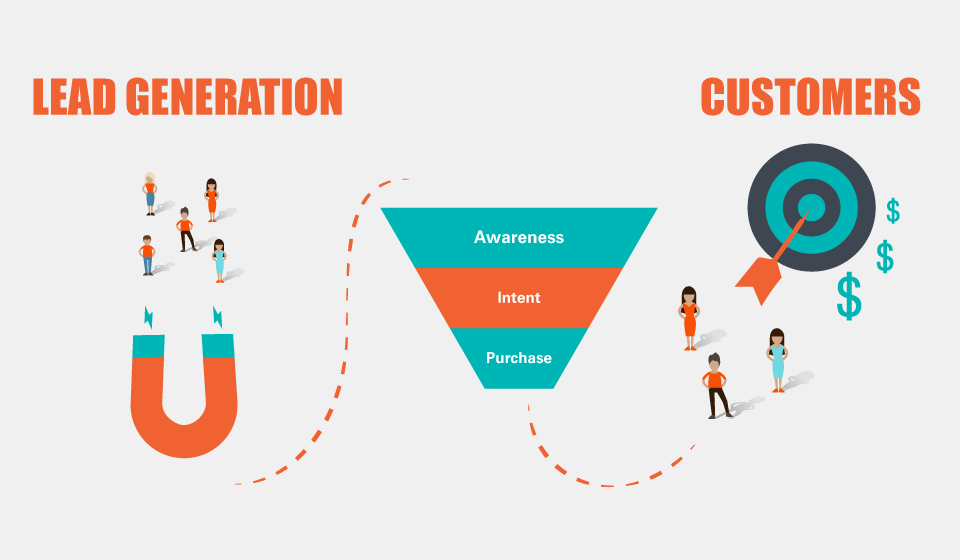
Generating qualified leads has become more challenging as customers interact with businesses across search engines, social media, websites, email and other digital channels. In 2026, artificial intelligence is changing how businesses identify potential customers, personalise communication and move prospects towards conversion. AI-powered lead generation combines customer data, automation and predictive technologies to make the process of finding and nurturing prospects more efficient. Instead of relying entirely on manual research and repetitive follow-ups, businesses can use AI to identify patterns, prioritise prospects and deliver more relevant experiences. What Is AI-Powered Lead Generation? AI-powered lead generation uses artificial intelligence to support different stages of the customer acquisition process. AI tools can analyse customer behaviour, identify potential prospects, automate communication and help sales teams determine which leads require immediate attention. For example, an AI system can analyse website interactions, form submissions and previous customer behaviour to identify visitors who are more likely to become customers. This information can then be used to create targeted campaigns or trigger relevant follow-ups. The objective is not simply to generate a larger number of leads. It is to improve the quality and relevance of the leads entering the sales pipeline. How AI Is Changing Lead Generation in 2026 Traditional lead generation often involves collecting contact information through forms, advertising campaigns, landing pages and outbound activities. AI adds another layer by helping businesses understand what happens after a prospect interacts with these channels. AI can assist with: This allows marketing and sales teams to spend more time on qualified opportunities rather than manually reviewing every prospect. AI Lead Scoring Helps Prioritise Prospects Not every lead has the same level of buying intent. Someone who downloads a general industry guide may not be ready to make a purchase, while someone who visits a pricing page, checks service details and submits an enquiry may have stronger commercial intent. AI-based lead scoring can analyse these signals and assign different levels of priority to prospects. Sales teams can then focus their efforts on leads showing stronger buying signals. Over time, these systems can also use historical data to identify patterns associated with successful conversions. Personalisation at Scale Personalisation has become an important part of digital marketing, but creating individual experiences for large audiences can be difficult manually. AI can help businesses tailor messages based on factors such as customer interests, previous interactions, website behaviour, location and engagement history. For example, an online retailer may show different recommendations based on products a visitor previously viewed. A B2B company may send different content depending on the prospect’s industry or stage in the buying journey. This can make communication more relevant without requiring marketing teams to manually create every interaction. AI Chatbots and Conversational Lead Capture AI-powered chatbots are also changing how businesses capture leads from their websites. Instead of requiring visitors to complete a form before receiving assistance, conversational systems can answer common questions and collect relevant information during a discussion. A chatbot can ask about a visitor’s requirements, budget, business type or preferred service and pass useful information to a sales representative. This can help businesses respond to enquiries outside normal working hours while reducing the amount of repetitive work handled by sales teams. Combining AI With Human Expertise Although AI can automate many parts of lead generation, human involvement remains important. AI-generated insights need to be reviewed within the context of the business, while sales teams still need to build relationships, understand complex requirements and handle important conversations. The most effective approach is often a combination of automation and human decision-making. A lead generation agency can help businesses integrate AI into their existing marketing processes while ensuring that campaigns continue to focus on relevant audiences, strong messaging and measurable business outcomes. What Businesses Should Focus on in 2026 Businesses adopting AI for lead generation should begin with clear objectives rather than implementing technology simply because it is available. Important areas to consider include: AI works best when supported by reliable data and a clearly defined marketing and sales process. The Future of AI-Powered Lead Generation AI is making lead generation more data-driven, automated and personalised. From identifying high-intent prospects to supporting follow-ups and analysing customer behaviour, businesses now have more opportunities to improve how they acquire and nurture customers. However, technology alone does not guarantee better results. Businesses still need a strong understanding of their audience, relevant offers, useful content and a well-defined conversion process. As AI becomes increasingly integrated into digital marketing, businesses that combine automation with human expertise can build more efficient and customer-focused lead generation systems in 2026.
How AI Search Is Changing Digital Marketing Strategies for Indian Businesses in 2026
Search behaviour is changing rapidly in 2026. Instead of relying only on traditional search results, users are increasingly turning to AI-powered search experiences to find answers, compare options and discover businesses. For Indian businesses, this shift is changing how digital marketing strategies need to be planned. AI search does not simply look for pages containing a particular keyword. It aims to understand the context behind a query and provide a direct, useful response. This means businesses need to focus on creating content that demonstrates expertise, answers genuine user questions and provides clear information that AI-powered search systems can understand. What Is AI Search? AI search uses artificial intelligence to understand search intent and generate or organise information around a user’s query. Rather than displaying only a list of links, AI-powered experiences can summarise information, compare solutions and answer more conversational searches. For example, instead of searching for “digital marketing services India,” a business owner may ask, “What digital marketing strategy should a small Indian business use to generate leads in 2026?” This type of search requires content that addresses the complete topic rather than focusing on one exact keyword. Why AI Search Matters for Indian Businesses India has a highly competitive digital market, with businesses across industries investing in SEO, paid advertising, social media and content marketing. As search behaviour becomes more conversational, simply ranking for a set of keywords may not be enough. Businesses need to make their online presence useful across different search experiences. This includes: An experienced online marketing company in India can help businesses adapt their SEO, content and broader digital strategies to these changing search patterns. From Keywords to Search Intent Traditional SEO often focused heavily on identifying keywords and incorporating them into website content. Keywords are still useful, but AI search places greater importance on understanding what users actually want to know. A business targeting “online marketing services” should therefore consider the questions behind the search. Users may want to know: Creating content around these questions can help a website become a more useful resource for potential customers. Content Quality Is Becoming More Important AI-driven search makes high-quality content increasingly important. Businesses should avoid producing multiple pages that repeat the same information with minor keyword changes. Instead, content should provide original insights, practical examples, supporting information and clear explanations. For Indian businesses, this could also mean addressing local market considerations such as customer behaviour, regional competition, industry regulations, pricing expectations and different search patterns across cities. Content should also be easy to understand. Clear headings, short paragraphs, useful lists, FAQs and well-structured information can make important information easier for both users and search systems to interpret. Build Authority Beyond Your Website AI search can draw on information from multiple sources when understanding businesses and topics. This makes a consistent digital presence increasingly valuable. Businesses should maintain accurate information across relevant business profiles, social platforms, industry publications, review platforms and other trustworthy sources. Customer reviews, expert contributions, case studies and genuine industry mentions can also strengthen a brand’s overall online presence. The objective should not simply be to create more links or mentions. Instead, businesses should build a credible digital footprint that consistently communicates who they are, what they offer and why customers can trust them. What Should Businesses Do in 2026? Indian businesses should treat AI search as an evolution of their existing digital marketing strategy rather than a replacement for SEO. A practical approach includes: The Future of Digital Marketing in India AI search is changing how consumers discover and evaluate businesses, but the fundamentals of digital marketing remain important. Businesses still need strong websites, valuable content, technical foundations, credible brands and a clear understanding of their customers. The difference in 2026 is that these elements need to work together across a wider search ecosystem. For businesses looking to adapt to this changing environment, working with an online marketing company in India can provide support across SEO, content marketing, paid campaigns, social media and conversion-focused digital strategies. The businesses that focus on genuinely helping their audiences, rather than simply optimising for individual keywords, will be better positioned to adapt as search continues to evolve.