
How Indian Businesses Can Build an Effective Online Marketing Strategy in 2026
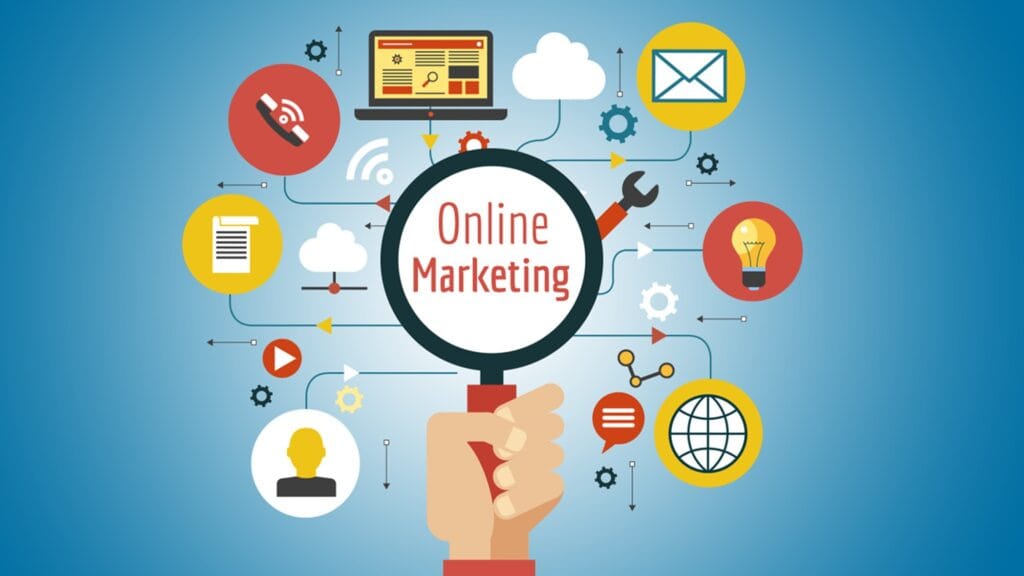
The online marketing environment continues to evolve rapidly. Search behaviour is changing, social platforms are becoming increasingly influential and artificial intelligence is affecting how businesses create, distribute and discover information. For Indian businesses, this creates both opportunities and challenges. A successful online marketing strategy in 2026 should not depend on a single channel. Instead, businesses need an integrated approach that connects visibility, content, customer engagement and measurable conversions. An experienced online marketing company in India can help businesses bring these activities together into a structured growth strategy. Understand Your Target Market First Before choosing marketing channels, businesses should understand who they want to reach. Indian markets can vary significantly by geography, language, income group, industry and purchasing behaviour. A strategy targeting customers in Mumbai may differ from one targeting customers across multiple Indian cities or international markets. Audience research should therefore form the foundation of the marketing plan. Build Search Visibility With SEO Search remains an important way for customers to discover products, services and information. SEO can help businesses build long-term visibility by optimising website content, technical elements, service pages and supporting resources. Businesses should also consider search intent rather than targeting keywords without understanding why people use them. Create Content That Answers Real Questions Content marketing in 2026 should focus on usefulness and credibility. Businesses can create: Content should answer genuine customer questions and demonstrate the business’s knowledge. Use Social Media Strategically Social media can help Indian businesses build brand awareness and maintain relationships with existing and potential customers. However, businesses do not necessarily need to be active on every platform. The better approach is to identify where the target audience spends time and develop content suited to that platform. Use Paid Advertising for Immediate Visibility Paid search and social advertising can complement organic marketing. Businesses can use paid campaigns to promote specific products, services, offers or landing pages while SEO builds longer-term visibility. Campaigns should be continuously monitored so budgets are allocated towards activities generating meaningful results. Local Marketing Matters For businesses serving specific cities or regions, local online visibility can have a major impact. Optimised location pages, local business profiles, customer reviews and geographically relevant content can help businesses connect with nearby customers. Location targeting should be useful and natural rather than simply adding city names to pages. Artificial Intelligence and Online Marketing AI is increasingly being used across marketing workflows. Businesses can use AI tools for tasks such as research, content ideation, data analysis, customer segmentation and workflow automation. However, AI-generated content still requires human oversight. Accuracy, originality, expertise and brand relevance remain important when creating content for customers and search platforms. Prepare for Changing Search Experiences Search is becoming more conversational and increasingly capable of providing direct answers. This makes it important for businesses to structure content clearly and provide concise answers to common customer questions. Clear headings, definitions, step-by-step explanations and authoritative supporting information can make content easier for both users and search systems to understand. Connect Marketing Channels SEO, content, social media and paid advertising should not operate as completely separate activities. For example, a blog article can support SEO, provide material for social media and contribute to a paid content campaign. Likewise, search data can reveal customer questions that can be addressed through social or content marketing. An integrated approach can make marketing resources work harder. Measure Business Results Businesses should establish KPIs before launching campaigns. Depending on the business model, these might include: Regular analysis helps identify which activities should be improved, expanded or discontinued. Choosing an Online Marketing Company in India When evaluating an agency, businesses should consider its strategic approach rather than simply comparing service lists. Ask how the agency measures success, how it develops campaigns, how reporting is handled and how marketing activities connect to commercial objectives. The right partner should be able to adapt the strategy as customer behaviour, competition and digital platforms change. Final Thoughts An effective online marketing strategy in 2026 requires flexibility, useful content, strong search visibility, targeted advertising and meaningful customer engagement. For Indian businesses, the strongest approach is likely to be an integrated one that combines multiple channels while keeping business outcomes at the centre. Working with an experienced online marketing company in India can help businesses develop, execute and refine that strategy as the digital landscape continues to evolve.