
How to Build a Profitable Performance Marketing Strategy for Ecommerce Brands
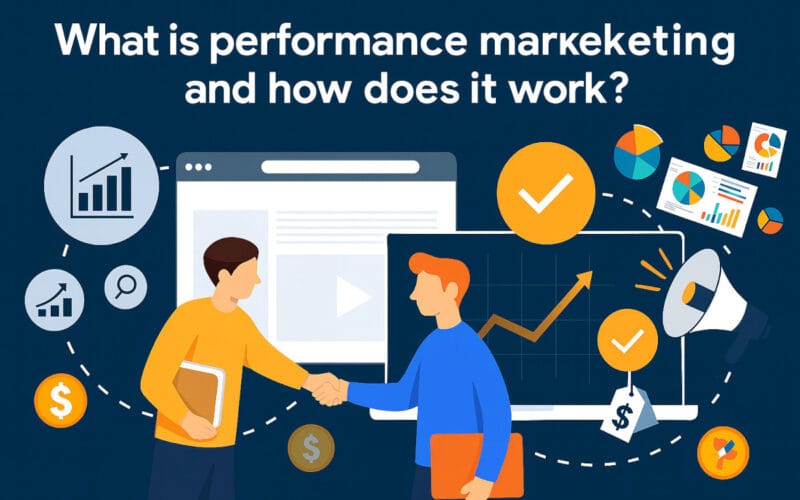
Ecommerce businesses operate in an environment where customers can compare products, prices and brands within minutes. This makes efficient customer acquisition particularly important. Performance marketing for ecommerce focuses on measurable actions and commercial outcomes rather than simply increasing exposure. The objective is to understand what marketing activity generates purchases and optimise campaigns accordingly. What Is Performance Marketing for Ecommerce? Performance marketing is a results-focused approach where campaigns are evaluated using measurable outcomes. For ecommerce businesses, these outcomes can include: The combination of advertising data and ecommerce analytics allows businesses to understand which campaigns contribute to revenue. Start With Clear Commercial Goals Before launching campaigns, determine what success means. A new ecommerce business may prioritise customer acquisition, while an established brand may focus on increasing repeat purchases or improving profitability. Clear objectives help determine budgets, channels and campaign structures. Understand Customer Acquisition Cost Customer acquisition cost is an important metric for ecommerce brands. If a business spends significantly more to acquire a customer than the customer generates in profit, increasing advertising spend may not be sustainable. Businesses should therefore consider advertising costs alongside product margins, average order value and customer lifetime value. Google Shopping and Search Advertising Search advertising can help ecommerce brands capture users who are already searching for specific products. Shopping campaigns can place product information directly in front of potential buyers, making them useful for product-led searches. Campaign performance should be regularly reviewed to identify products, queries and audiences producing strong commercial results. Meta Advertising for Ecommerce Social advertising can help ecommerce brands reach people based on interests, behaviours and previous interactions. Creative testing is particularly important because different images, videos, messages and offers can produce significantly different results. Instead of assuming which creative will work, brands can use campaign data to identify stronger performers. Retargeting Can Recover Lost Opportunities Many ecommerce visitors do not purchase during their first visit. Retargeting can help reconnect with people who have viewed products, added items to their cart or interacted with the website. The messaging should reflect the user’s previous interaction rather than showing generic advertisements. Optimise Product Pages Advertising can bring visitors to a website, but the product page ultimately has to support conversion. Important elements include: Improving the landing experience can increase the value generated from existing advertising traffic. Test Before Scaling Increasing budgets too quickly can amplify inefficient campaigns. A better approach is to test audiences, creatives, offers and landing pages, identify stronger combinations and gradually increase investment. This allows ecommerce brands to scale based on evidence. Track the Right Ecommerce Metrics Key metrics can include: Looking at these metrics together gives businesses a clearer understanding of profitability. Balance Acquisition With Retention Acquiring new customers is only one part of ecommerce growth. Email marketing, loyalty programmes, personalised offers and post-purchase communication can encourage customers to return. A business that combines acquisition with retention can potentially generate greater value from each customer. Final Thoughts Successful performance marketing for ecommerce is not simply about spending more on advertisements. It is about understanding customer behaviour, measuring commercial outcomes and continuously improving campaigns. With accurate tracking, effective creative, strong product pages and disciplined optimisation, ecommerce businesses can build a performance marketing system designed for sustainable growth.